
Drayage Explained: The Trade Show Cost Nobody Warns You About
By APG Exhibits

Advertisement
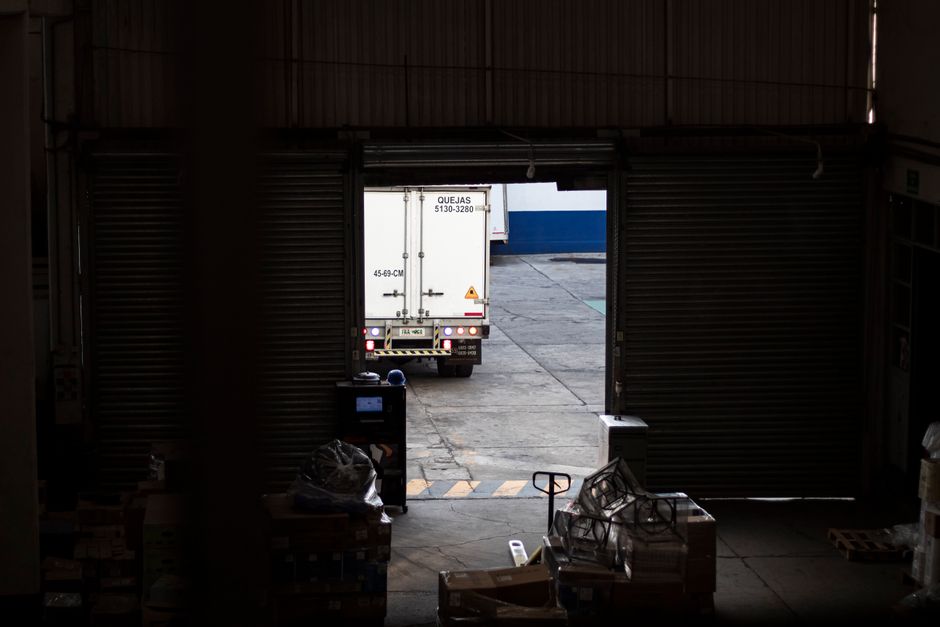
What material handling actually pays for, why it is billed per hundredweight, the surcharges that double estimates, and six decisions that genuinely reduce it.
There is a line on your first trade show invoice that will make you call the general contractor and ask if it is a mistake. It is not a mistake. It is drayage, and it is the most misunderstood cost in exhibiting.
This is what it is, why it costs what it does, and the specific decisions that cut it.
What drayage actually pays for
Drayage — billed as "material handling" — is the service of moving your freight between the loading dock and your booth space. Specifically it covers:
- Receiving your shipment at the dock (or at the advance warehouse)
- Delivering it to your booth space on the floor
- Removing and storing your empty crates for the duration of the show
- Returning the empties to your booth at teardown
- Moving the packed crates back to the dock and onto your outbound carrier
That third and fourth item is the part people miss. There is nowhere on a show floor to put an empty crate. The contractor takes it, warehouses it for four days, and brings it back. That storage is a real service with real cost.
It is charged by the show's official general contractor — a different company from whoever you booked to truck your freight to the city. This is the root of most of the confusion: you paid a shipper, so you assume shipping is paid for. It is not. The shipper's job ends at the dock.
How it is billed
Drayage is priced per hundredweight (CWT) — per 100 pounds — with a minimum, almost always 200 lb.
Typical rates run $95–$160 per CWT, varying by city, venue and whether the show is union.
Worked examples at $125/CWT:
| Shipment | Billable weight | Cost |
|---|---|---|
| Two 40 lb cases (80 lb actual) | 200 lb minimum | $250 |
| One 350 lb crate | 350 lb | $438 |
| 10x20 modular, 700 lb crated | 700 lb | $875 |
| 20x20 island, 2,200 lb | 2,200 lb | $2,750 |
Note the first row. Under 200 lb you pay for 200 lb anyway — so a very light shipment gets no cheaper past a point, and splitting one 300 lb crate into two 150 lb crates can cost you more if the contractor applies the minimum per shipment.
The surcharges
This is where estimates go wrong. Common additions:
- Special handling (+25–40%). Triggered by loose or uncrated shipments, mixed pallets, shipments requiring extra handling to unload, or anything the receiving crew has to sort. "It arrived on a pallet with someone else's freight" qualifies.
- Off-target delivery (+20–30%). Every show has target date windows per section of the hall. Arrive outside yours and you pay for the disruption.
- Overtime (+25–50%). Freight received or delivered outside straight-time hours. Weekend and evening setups routinely trigger this.
- Small package handling. Boxes shipped via a parcel carrier are often billed per carton at a flat rate — which can be brutal if you shipped ten boxes to save on crating.
A shipment that looks like $438 on the rate card can arrive as $700 with two surcharges applied.
Advance warehouse or direct-to-show?
You will be offered both. They price differently and they carry different risk.
Advance warehouse — ship to the contractor's warehouse two to three weeks early. Costs roughly $10–$30/CWT more. In exchange: your freight is confirmed received before you leave home, it is delivered to your booth before you arrive, and a delayed truck is the warehouse's problem, not yours.
Direct-to-show — your carrier delivers to the venue dock inside a narrow target window. Cheaper, and it works if your carrier is reliable and the window is generous. If the truck is late, you are standing in an empty booth space watching the hall fill up around you.
The rule of thumb: advance warehouse unless you have shipped to this show, with this carrier, before. The premium is cheap insurance, and for a first-time exhibitor it removes the single most stressful variable of show week.
Six ways to actually reduce it
- Cut weight at the design stage. This is the big one, and it is a decision made months earlier. A portable or lightweight modular exhibit that ships in two 50 lb cases and a tube versus a crated custom build in the same 10x10 footprint is the difference between the 200 lb minimum and 600 lb — around $500 per show, every show, for the life of the exhibit.
- Crate properly. Uncrated and loose freight triggers special handling. A proper crate or a shrink-wrapped, labelled pallet with nothing loose costs less to receive than a stack of boxes.
- Consolidate into one shipment. One 400 lb crate beats four 100 lb cartons: one receipt, one minimum, no small-package per-carton charges.
- Ship literature and giveaways separately — and less of it. Printed collateral is heavy and most of it goes in a hotel bin on the last day. Ship a sensible quantity, or print locally and have it delivered to the hotel. A box of catalogues can genuinely cost more in drayage than it cost to print.
- Hit your target window. It is in the exhibitor services kit. Put it in the calendar the day you get it.
- Ask what is included in your space. A small number of shows — usually smaller regional ones — include limited material handling in the booth fee. Rare, but worth the question.
Read the exhibitor services kit
Everything above is documented, per show, in the exhibitor services kit the organizer sends after you book. The rate card, the target dates, the surcharge triggers, the advance warehouse deadline and address, the empty-return process.
Nobody reads it. Every unexpected line on the final invoice is in it.
Read it once, end to end, the week you receive it — before you design anything or book any freight. It is an hour that routinely saves four figures.
Where this fits in the budget
Drayage typically lands at 5–12% of the all-in cost of exhibiting, and it is the line item most likely to exceed its estimate. Our full cost breakdown puts it alongside the other eight, and the 12-month planning timeline shows where the freight decisions sit relative to everything else.
Costs also vary meaningfully by city and venue — labour rates in Chicago and New York run above Orlando and Nashville for identical work. The venue directory covers dock and access details for the major halls.
Frequently asked questions
What is drayage at a trade show?+
Drayage, billed as material handling, covers moving your freight from the loading dock to your booth space, removing and storing your empty crates for the duration of the show, returning them at teardown, and moving the packed crates back to the dock. It is charged by the show’s general contractor, not by the carrier you booked to truck your freight to the city.
How is drayage calculated?+
Per hundredweight — per 100 pounds — typically $95–$160 per CWT with a 200 lb minimum. A 350 lb crate at $125/CWT is about $438. Surcharges for uncrated freight (25–40%), off-target delivery (20–30%) and overtime (25–50%) are common and are what make actual invoices exceed estimates.
Should I ship to the advance warehouse or direct to the show?+
Advance warehouse unless you have shipped to that show with that carrier before. It costs roughly $10–$30 per CWT more, but your freight is confirmed received before you leave home and a delayed truck becomes the warehouse’s problem rather than you standing in an empty booth space.
How can I reduce drayage costs?+
Cut weight at the design stage — that is the big one, and it is decided months earlier. Then: crate properly to avoid special handling, consolidate into one shipment rather than several small ones, ship less printed collateral, hit your target delivery window, and read the exhibitor services kit end to end the week you receive it.